

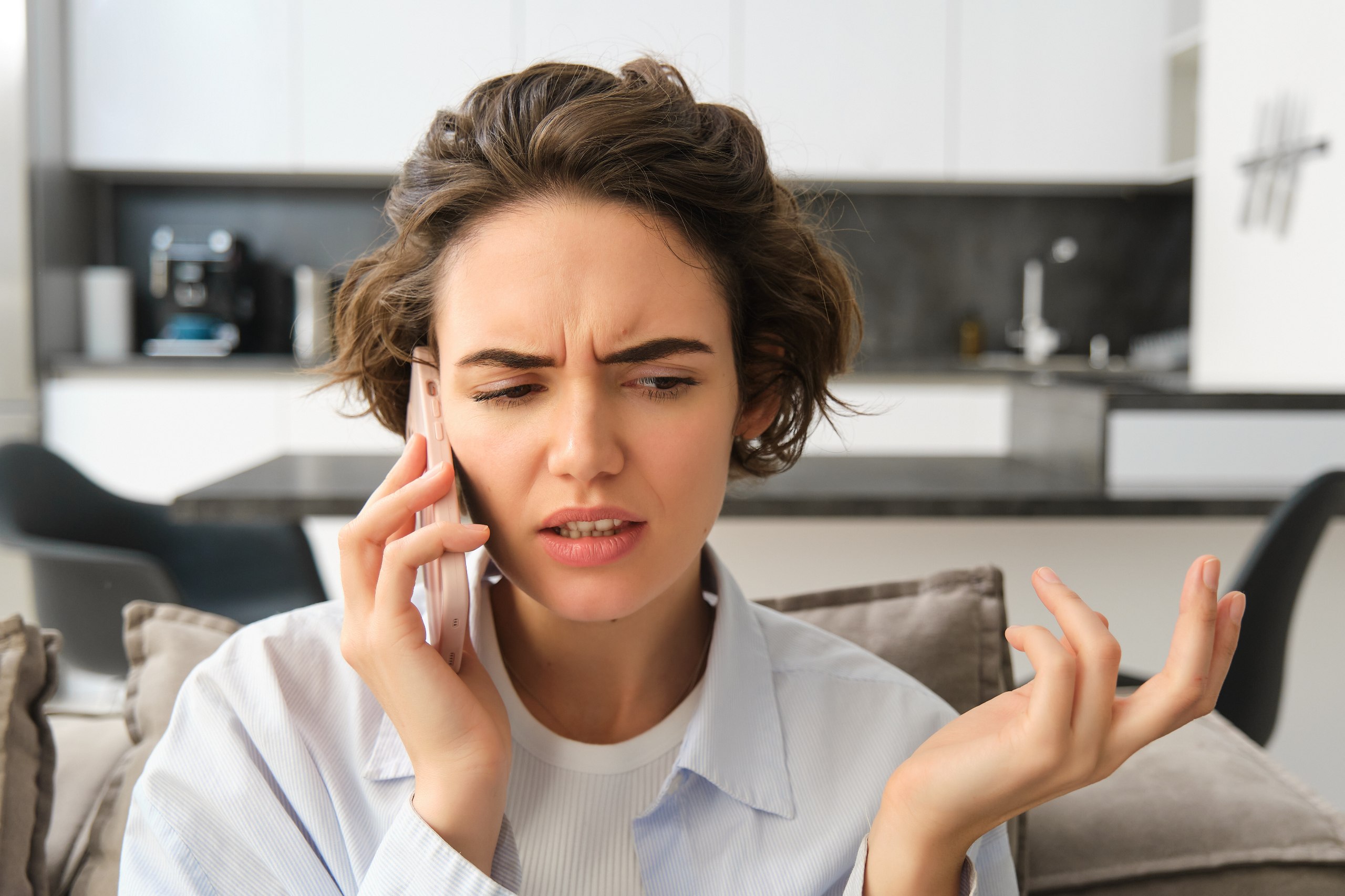
Your phone rings and displays an unknown number beginning with (786). You are not located in Miami, have no connections to Florida, and do not recognize the number. Should you answer?
This is a question that more people face every day, and with valid cause. This guide explains all essential details about the 786 area code: its origin, who might be calling, how to identify scams, and especially how to safeguard yourself so unknown calls no longer cause concern.
What Is the 786 Area Code?
The 786 area code serves Miami, Miami-Dade County, and the Florida Keys in Florida, USA. It belongs to the North American Numbering Plan (NANP) and was added in 1998 as an overlay for the existing 305 area code that covers the identical territory.
Both 305 and 786 remain in use today and function interchangeably in that same region. Therefore, a call from a (786) number could, in principle, come from someone in the broader Miami metropolitan area.
The important point is “in principle.”
Why a 786 Area Code Means Almost Nothing
The reality is that a phone area code reveals very little about the actual caller.
Spoofing technology lets anyone, including fraudsters, make any phone number appear on your caller ID. The person on the other end of a (786) 555-1234 call could be operating from a call center in India, Nigeria, or Eastern Europe. They have simply configured their equipment to display a Miami number because local-looking numbers seem more familiar and increase the chance of someone answering.
Spoofing is neither uncommon nor complex. It is a routine method used in millions of calls daily throughout North America.
The 786 area code appears in many large-scale scam operations, such as:
- Robocalls with recorded messages
- IRS impersonation scams claiming unpaid taxes and threatening arrest
- Bank fraud attempts requesting verification of card or account details
- Prize and lottery scams requiring payment of fees to claim winnings
- Medicare and health insurance scams aimed especially at older people
- Phishing attempts seeking personal data under different excuses
None of these represent legitimate activity.
Should You Answer a Call from 786? Key Questions to Ask
Before accepting the call, pause for ten seconds and evaluate:
Do you know anyone living in Miami or South Florida?
If you have family, friends, colleagues, or business contacts there — particularly if you have spoken with them lately or are waiting for their call — it could be a real contact. In that case, answer it. If you have zero connections to Miami, this is an initial warning sign.
Are you expecting a call from any US company or service?
Numerous American businesses, medical practices, insurance companies, and service providers are based in Florida and contact customers nationwide or internationally. If you recently registered for a US service, made a purchase, or sent an inquiry, the call might be authentic. Recall the situation before rejecting it.
Have you seen this exact number previously?
Repeated calls from the same number in quick succession indicate a problem. Genuine callers usually leave a voicemail and wait. Robocall systems keep dialing until someone responds.
Did the caller leave a voicemail?
This serves as one of the best checks. Someone with a legitimate reason will record a message. Scam robocalls typically skip this step or leave vague, alarming messages that reveal their fraudulent nature.
Red Flags: How to Spot a Scam Call from 786
No matter the area code shown, watch for these clear indicators of fraud:
The caller creates urgency or fear. Statements such as “Your account is compromised,” “You owe taxes,” or “An arrest warrant exists” aim to push you into quick action without thinking. Legitimate banks and government offices do not use such methods.
They instruct you to press a key. Messages like “press 1 to speak to an agent” or “press 2 to unsubscribe” should be ignored. Pressing any button verifies your number is live and can generate additional calls.
They request personal or financial details. No legitimate entity asks for your PIN, Social Security number, CVV code, or online banking password by phone.
They issue threats. Comments like “Do not hang up or you will be arrested” or “This is your last warning” are intimidation tactics. End the call right away.
They promise unrealistic benefits. Unexpected prizes, free government grants, or effortless debt relief are never genuine.
The caller ID looks unusually official. Scammers spoof numbers to mimic the IRS, Social Security Administration, or your bank. These organizations do not make sudden calls demanding immediate payment.
What to Do If You Already Answered the Call
If you took a call from a 786 number and it seemed suspicious, stay calm. Speaking with a scammer does not commit you to any action.
End the conversation immediately. You owe no explanation. Simply disconnect.
Do not return calls from suspicious voicemails that ask you to call back. Returning such calls can lead to extra charges or confirm your number to fraudsters.
Do not share any information — name, address, date of birth, card details, or other data. If you already provided something, contact your bank or the appropriate organization without delay.
Block the number on your phone once the call finishes.
Search the number online to check if others have reported it. Websites including 800notes.com, WhoCalledMe.com, and CallerSmart collect user reports on scam numbers.
Where to Report Scam Calls from 786
Reporting scam calls matters. Every report helps protect others and gives authorities the data they need to act.
In the United States:
In Canada:
You can also report the number directly to your mobile carrier. Most major providers now have tools to help you flag and reduce unwanted calls.
How to Protect Yourself from Unwanted Calls
Let Unknown Calls Go to Voicemail
The single most effective and effortless defense. If the caller is legitimate, they'll leave a message. If they're a robocall or scammer, they won't — or the message will make it obvious. You can always call back once you've verified who it is.
Use Your Smartphone's Built-In Filters
Both iOS and Android have built-in call filtering features:
-
iPhone: Settings → Phone → Silence Unknown Callers
-
Android: Phone app → Settings → Caller ID & Spam (options vary by manufacturer)
These won't catch everything, but they'll block a significant portion of robocalls automatically.
Install a Call-Screening App
Dedicated apps cross-reference incoming numbers against large, constantly updated databases of known scam numbers:
-
Truecaller — one of the largest caller ID databases in the world; identifies numbers even if they're not in your contacts
-
Hiya — deep integration with iOS and Android; real-time spam detection and automatic blocking
-
RoboKiller — specializes in robocalls; even includes a "answer bots" feature that wastes scammers' time
Contact Your Carrier
Many carriers now offer free or low-cost spam call protection services:
-
T-Mobile — Scam Shield
-
AT&T — Call Protect
-
Verizon — Call Filter
-
Rogers/Fido, Bell, Koodo, Virgin (Canada) — each has its own filtering tools available through your account
Check what's available with your specific provider — some of these services are free and can be enabled in minutes.
Look Up the Number Before Calling Back
If you missed a call from a 786 number and are considering calling back, take 30 seconds to Google it first. Type the full number into a search engine. If it's been flagged as a scam, you'll likely find complaints from other people within the first few results.
The Smartest Long-Term Solution: Stop Giving Out Your Real Number
Here's the root of the problem: scammers and spammers get your number somewhere.
Data breaches, sign-up forms, loyalty cards, giveaway entries, classified ads, public social media profiles — every time you hand out your number to a source you're not 100% sure about, you risk it ending up on a call list. And once it's on one list, it tends to spread to others.
The smartest way to deal with this is to stop using your real number for anything non-essential — and use a virtual secondary number instead.
A temporary virtual number is a real, working phone number that routes calls and texts to your device, but keeps your actual number private. You use it wherever you're not sure you can trust the recipient: online sign-ups, marketplace listings, promotions, service appointments, dating apps, or any situation where you'd rather not share your primary contact.
ringo2number.com makes it easy to get a virtual number in minutes. You can use it for as long as you need — a single transaction, a month-long project, or indefinitely — and if spam starts coming in, you simply retire that number and get a new one. Your real number stays completely untouched.
It's not just about avoiding scam calls. It's about having control over who can reach you and when.
Frequently Asked Questions
"If I don't answer, will they stop calling?"
Usually, yes. Robocall systems often remove numbers that consistently don't answer after a few attempts. However, some systems are more persistent. If calls from the same number continue, blocking it directly is the next step.
"What if it was important and I missed it?"
Any legitimate caller — a doctor's office, a bank, a courier, a friend — will leave a voicemail or send a follow-up text. If no message was left, the call almost certainly wasn't urgent. For peace of mind, you can always search the number before deciding whether to call back.
"I pressed '1' during a robocall. Did I make things worse?"
Possibly. Pressing any key confirms to the system that your number is active and answered, which can result in more calls — or your number being sold to other call lists. Going forward, the safest approach is to immediately hang up without pressing anything.
"Should I block the entire 786 area code?"
No, that would be counterproductive. 786 is a fully legitimate, active area code used by real people and businesses in Miami every day. Blocking the entire code would mean missing genuine calls. Block specific numbers that have contacted you with spam, not the whole area code.
"Can I find out who called me from a 786 number?"
Often, yes. Enter the full number into Truecaller, Google, or lookup sites like 800notes.com, WhoCalledMe.com, or CallerSmart. If the number has a history of spam calls, there will likely be reports from other users. If nothing comes up, it may be a spoofed or newly registered number.
"They keep calling from different 786 numbers. What now?"
This is called a "rotating number" attack — scammers cycle through numbers to bypass individual blocks. In this case, app-based filtering (Truecaller, Hiya, RoboKiller) is more effective than manual blocking, as these apps use pattern recognition rather than relying on specific numbers. Alternatively, enabling "Silence Unknown Callers" on your device will block all calls from numbers not in your contacts.
"I gave them some information before I realized it was a scam. What should I do?"
Act quickly. If you shared financial information, contact your bank immediately to freeze or monitor your account. If you shared personal details like your Social Security number, consider placing a fraud alert with the major credit bureaus. Report the incident to the FTC at reportfraud.ftc.gov.
Your Action Plan for Any Unknown 786 Call
Follow these steps every time an unfamiliar 786 number appears on your screen:
-
Don't rush — let it ring through to voicemail
-
Check the voicemail — does it sound like a real person with a real reason to call?
-
Search the number — Google it or check Truecaller before calling back
-
Assess your connections — do you have any reason to expect a call from Miami?
-
Block and report — if it was unwanted, block the number and file a report
-
Protect your real number — use a virtual number for anything where you're unsure
The Bottom Line
The 786 area code itself is not dangerous. It's simply the area code for Miami, used daily by millions of real people and legitimate businesses. But like every area code, it can be — and is — exploited by scammers using spoofing technology.
The best approach isn't paranoia. It's a simple habit: let unknown numbers go to voicemail, verify before you call back, use call-filtering tools, and keep your real number out of the hands of anyone you don't fully trust.
And if you're tired of playing defense with your main number altogether — a virtual number from ringo2number.com gives you a clean, disposable contact that keeps the spam away from your real life.
Ready to stop worrying about unknown calls? Visit ringo2number.com and get your virtual number today.